

Why Is Ibogaine Illegal?
Why is ibogaine illegal? This question continues to spark curiosity among those exploring natural plant-based medicines and addiction recovery alternatives. Ibogaine, a psychoactive compound derived from the root bark of the Tabernanthe iboga shrub native to Central Africa, has shown remarkable potential in treating addiction, trauma, and depression. However, its legal status in many countries remains highly restricted or entirely banned.
Understanding the reasons behind its prohibition requires exploring its cultural origins, medical potential, political background, and safety concerns. Let’s dive deep into the real reasons why ibogaine remains a controlled substance in several parts of the world.
1. The Cultural and Historical Roots of Ibogaine
Before discussing legality, it’s important to appreciate ibogaine’s traditional significance. In Gabon, Cameroon, and other parts of Central Africa, iboga has been used for centuries in the Bwiti spiritual tradition. The plant serves as a tool for initiation, healing, and connecting with the divine.
When ibogaine was isolated from the iboga root bark in the early 1900s, researchers in Europe and the United States recognized its unique psychoactive effects. Yet, Western medicine failed to integrate its spiritual and therapeutic potential. Instead, attention focused on its hallucinogenic properties, which led to misunderstanding and eventual regulation under drug laws.
2. The Rise of Ibogaine in Addiction Treatment
In the 1960s, American heroin addict Howard Lotsof discovered that a single large dose of ibogaine eliminated his withdrawal symptoms and cravings. This revelation brought ibogaine into the spotlight as a potential breakthrough in addiction recovery, particularly for opioids, cocaine, and alcohol.
Soon, underground practitioners and small clinics began offering ibogaine-assisted detox programs. While patients reported life-changing outcomes, governments and medical authorities questioned the safety and ethics of administering such a powerful psychoactive compound without formal clinical approval.
The lack of pharmaceutical control and standardized dosing became one of the first reasons governments labeled ibogaine as risky.
3. Safety Concerns and Reported Adverse Effects
One of the major reasons why ibogaine is illegal in many countries is due to safety concerns. Ibogaine is a potent psychoactive alkaloid that affects the brain’s neurotransmitters and the heart’s electrical rhythm.
Some individuals who took ibogaine without medical supervision experienced severe side effects such as cardiac arrhythmias, seizures, or death. While many of these incidents were related to pre-existing health issues or improper administration, they led to increased government scrutiny.
Authorities concluded that ibogaine treatment must occur only under controlled medical conditions. However, instead of regulating its therapeutic use, most nations opted for prohibition to minimize potential risks.
4. Pharmaceutical and Political Barriers
Another crucial factor behind ibogaine’s illegality lies in the pharmaceutical and political landscape. The mainstream addiction treatment industry relies heavily on medications like methadone and buprenorphine, which must be taken regularly. These drugs generate consistent profit for pharmaceutical companies and are fully integrated into healthcare systems.
In contrast, ibogaine often works after a single transformative session, which does not align with the business model of recurring treatment.
Furthermore, because ibogaine comes from a natural source that cannot be patented in its raw form, pharmaceutical companies show little interest in funding large-scale clinical trials. Without these trials, medical authorities lack the data needed to approve ibogaine legally, keeping it in a regulatory limbo.
5. International Drug Scheduling
Ibogaine’s classification under international drug control treaties plays a major role in its illegality.
- United States: Ibogaine is classified as a Schedule I controlled substance, meaning it is considered to have “no accepted medical use” and a “high potential for abuse.”
- United Kingdom: Ibogaine is listed as a Class A drug, alongside substances like heroin and LSD.
- Canada and Australia: It remains unapproved for medical use, though research and compassionate exemptions exist.
- Mexico, Brazil, and New Zealand: These countries permit ibogaine treatment under regulated or clinical settings.
This global inconsistency reveals that legality often depends more on political attitudes and drug policy frameworks than on scientific evidence.
6. The Science Supporting Ibogaine’s Potential
Despite its restricted legal status, scientific studies increasingly support ibogaine’s unique benefits. Research from Brazil, New Zealand, and Mexico shows that ibogaine significantly reduces opioid cravings, alleviates withdrawal symptoms, and promotes long-term sobriety.
Ibogaine acts on multiple neurotransmitter systems, including dopamine and serotonin, effectively “resetting” the brain’s addiction pathways. It also induces a deep introspective experience, allowing individuals to process trauma and emotional pain—the root causes of addiction.
Ironically, this evidence reinforces that ibogaine’s prohibition may be more about politics than safety or efficacy.
7. Ibogaine’s Legal Alternatives and Grey Areas
While ibogaine itself is banned in many nations, related plants and precursors such as Voacanga africana (a natural source of iboga alkaloids) remain legal in most regions. Extracts from these plants can serve as precursors for ibogaine synthesis or as milder alternatives in microdosing practices.
Moreover, iboga root bark—the natural plant material—remains legal or unregulated in certain countries, allowing individuals to explore its benefits in traditional or private settings.
However, legal frameworks continue to evolve. Anyone considering iboga or ibogaine therapy should carefully review their country’s laws before purchasing or using these substances.
8. The Ethical Debate: Should Ibogaine Be Legal?
The question of why ibogaine is illegal extends beyond law and into ethics. Many advocates argue that restricting access to a plant medicine that could end addiction is morally questionable.
Ibogaine therapy has saved lives, restored families, and helped countless people rediscover purpose. Those who undergo treatment often describe it as a spiritual awakening and a biochemical reset.
Proponents insist that rather than banning ibogaine, governments should regulate and monitor its therapeutic use—ensuring safety while granting access to those who need it most.
9. Countries Embracing Ibogaine Treatment
Encouragingly, a few nations are leading the way in integrating ibogaine into medical frameworks:
- Brazil: Clinics use ibogaine under medical supervision for addiction and depression treatment.
- Mexico: Home to several world-renowned ibogaine treatment centers offering professional care.
- New Zealand: Legal ibogaine prescription under special medical authorization.
- South Africa: Growing acceptance of iboga-based therapies as part of traditional medicine.
These examples show that ibogaine can be administered safely when guided by professional ethics, medical supervision, and proper education.
10. Looking Toward the Future of Ibogaine
With increasing global interest in psychedelics, ibogaine’s reputation is slowly changing. Clinical studies and documentaries continue to highlight its life-saving potential, and more governments are beginning to reconsider outdated drug policies.
Legalization efforts now focus on demonstrating that ibogaine can be both safe and effective when properly regulated. Medical training, screening, and supervision are key components in ensuring safety and success.
The growing demand for natural and spiritual healing also positions ibogaine as a central player in the future of psychedelic-assisted therapy.
11. Relating Iboga and Ibogaine: A Natural Path to Healing
To truly understand ibogaine, one must also recognize the significance of iboga itself. Iboga is not just a plant—it is a sacred teacher, offering physical detoxification and profound spiritual insight.
While ibogaine is the extracted active compound, iboga provides a fuller, more traditional experience that connects the mind, body, and spirit. The synergy between iboga and ibogaine lies at the heart of natural healing, bridging ancestral wisdom and modern science.
Both continue to offer hope to individuals seeking recovery, renewal, and self-discovery.
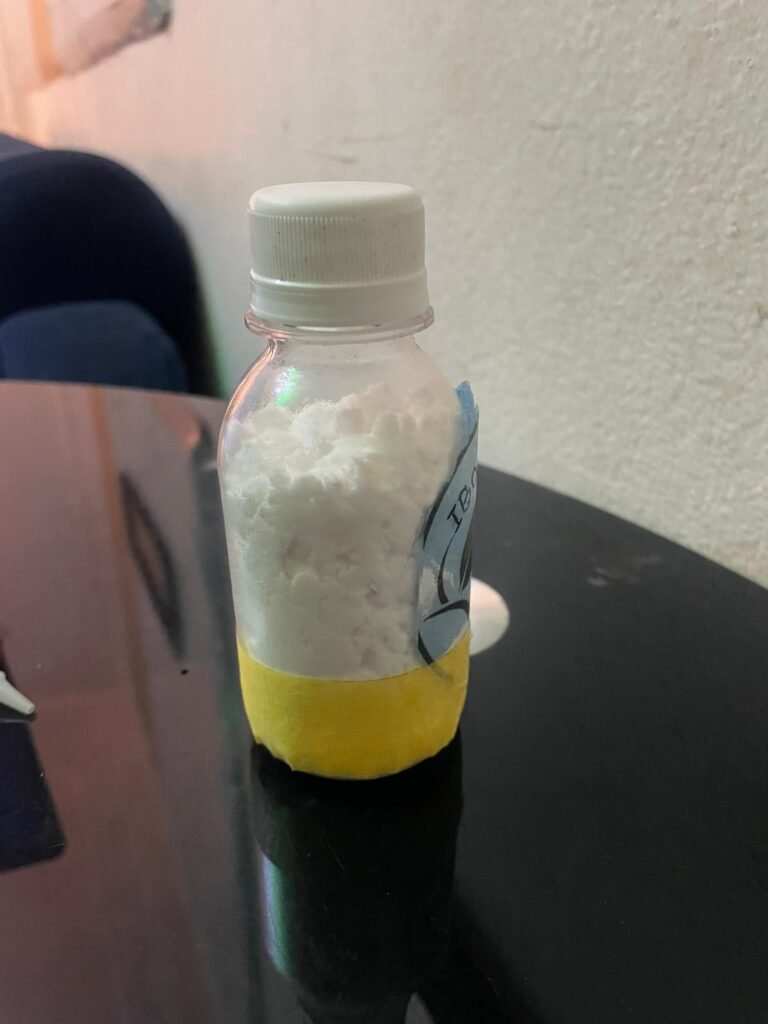
🌿 Begin Your Healing Journey Today
If you feel drawn to explore iboga or ibogaine therapy, it’s vital to do so with trusted professionals and reliable sources. At ibogastoreonline, we are dedicated to providing premium-quality iboga root bark, ibogaine HCL, and related products—ensuring authenticity, safety, and discretion with every order.
Take the first step toward transformation and healing today.
📞 Call or WhatsApp us now:
+237 653 823 790
+237 672 584 494
Your journey to freedom and balance begins with ibogastoreonline—where tradition meets transformation.