

What’s the Difference Between Iboga and Ibogaine?
What’s the difference between iboga and ibogaine? This is a question many people ask when exploring natural healing, addiction recovery, and spiritual awakening. While both iboga and ibogaine come from the same African plant, their forms, effects, and uses differ in meaningful ways. Understanding these differences can help you make informed choices about your healing journey and how to approach plant medicine safely and effectively.
Both substances have been used for centuries for healing, self-discovery, and addiction treatment. Yet, they are not the same. Let’s explore their origins, effects, therapeutic uses, and how they connect to one another—revealing the deep relationship between iboga and ibogaine.
1. Understanding the Origins of Iboga and Ibogaine
Iboga is the root bark of the Tabernanthe iboga shrub, which grows naturally in Central Africa—especially in Gabon, Cameroon, and Congo. In traditional Bwiti spiritual ceremonies, iboga plays a sacred role, guiding individuals through deep introspection, healing, and connection to the divine.
On the other hand, ibogaine is an alkaloid extracted from the iboga plant. Scientists first isolated it in the early 1900s, and researchers soon discovered its powerful psychoactive and therapeutic effects.
So, iboga is the whole plant, while ibogaine is the active chemical compound within it. This distinction forms the foundation for understanding how both substances work differently in the body and mind.
2. The Natural Power of Iboga
Iboga contains several alkaloids, but ibogaine is its most potent and studied component. When consumed in its natural form, iboga provides a full-spectrum experience that involves not only ibogaine but also other supportive alkaloids that balance and ground the journey.
Traditional practitioners believe iboga cleanses the body, opens the mind, and awakens the spirit. During Bwiti ceremonies, participants use iboga to confront fears, release trauma, and gain clarity about their life purpose.
Physically, iboga stimulates the central nervous system, increases awareness, and can induce vivid visions or dream-like experiences. Unlike many psychedelics, iboga doesn’t simply provide visuals—it delivers lessons, insights, and a sense of personal renewal.
3. The Scientific Nature of Ibogaine
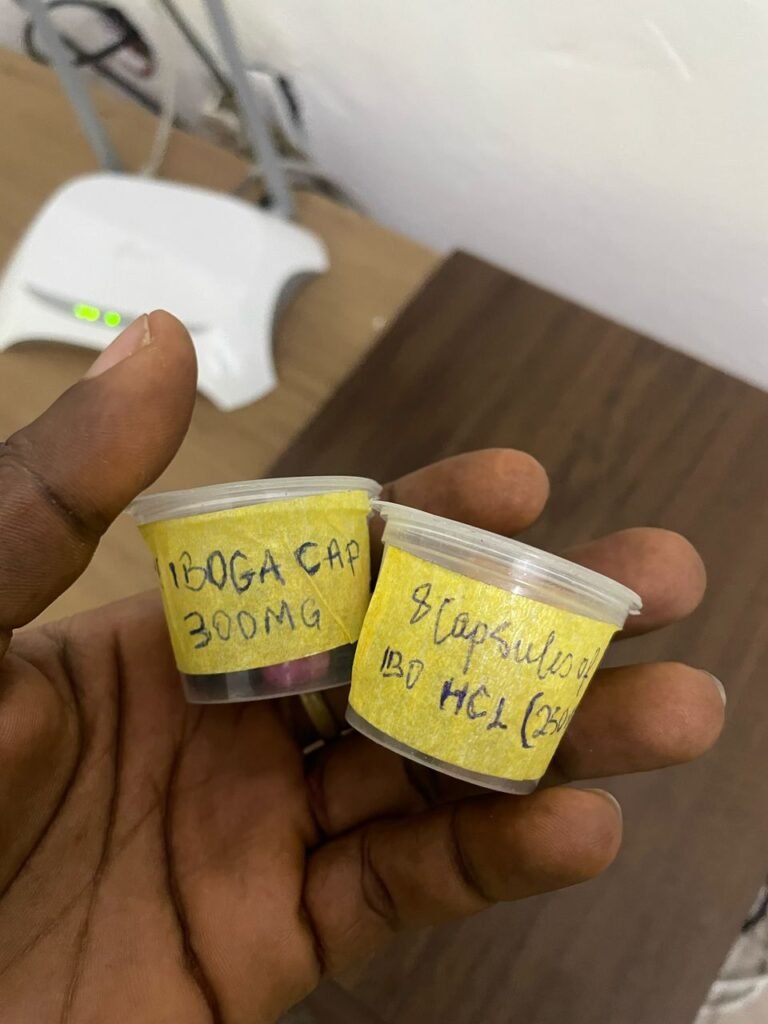
Ibogaine, the extracted alkaloid, offers a more concentrated and measurable approach to healing—especially in addiction treatment. In medical settings, ibogaine hydrochloride (HCL) is administered in controlled doses to treat dependency on opioids, cocaine, alcohol, and other substances.
What makes ibogaine unique is its ability to reset the brain’s reward system. It interacts with neurotransmitters like dopamine, serotonin, and NMDA receptors, helping users break free from withdrawal symptoms and cravings.
Unlike traditional detox methods, ibogaine doesn’t simply suppress withdrawal—it addresses the root cause of addiction by promoting deep psychological introspection. Many describe the experience as a powerful “reset” that restores mental balance and emotional clarity.
4. The Key Difference in Experience
The main difference between iboga and ibogaine lies in the depth and duration of their effects.
- Iboga (whole root bark): The experience can last between 24 to 36 hours. It often includes both physical and spiritual dimensions, combining cleansing, vision, and insight.
- Ibogaine (extracted compound): The experience typically lasts 8 to 12 hours and focuses primarily on neurochemical healing rather than spiritual exploration.
In simpler terms, iboga engages both the body and spirit, while ibogaine focuses mainly on the brain’s healing and psychological restoration.
Traditionalists prefer iboga for its holistic and spiritual elements, while clinicians often choose ibogaine for its precise and controlled detoxification benefits.
5. Safety and Medical Considerations
Both iboga and ibogaine are powerful psychoactive substances that require respect and professional guidance. Their effects on the heart, liver, and nervous system can be intense. Therefore, medical screening and supervision are critical before taking either.
Ibogaine, especially in the HCL form, allows for more accurate dosing and monitoring in clinical settings. However, iboga—being natural and less predictable—can vary in potency depending on the plant source.
For this reason, most medical professionals recommend undergoing ibogaine therapy in specialized centers, while traditional ceremonies with iboga should only be guided by trained Bwiti practitioners.
6. The Therapeutic Benefits Shared by Both
Despite their differences, iboga and ibogaine share many common benefits that make them stand out in the field of addiction recovery and personal transformation.
Some shared benefits include:
- Addiction interruption: Both can eliminate withdrawal symptoms and reduce cravings.
- Emotional cleansing: Users often report releasing years of emotional trauma.
- Clarity and insight: Both help individuals reflect on past behaviors and gain spiritual or psychological understanding.
- Neurochemical reset: Ibogaine and iboga promote balance within the brain’s reward system.
Essentially, iboga and ibogaine both work toward one goal—healing the whole person, though they take different paths to achieve it.
7. The Legal Landscape: Iboga vs. Ibogaine
Legality plays an important role in how people access these substances.
In many Western countries, ibogaine is classified as a controlled substance. The United States, the United Kingdom, and Canada restrict its medical use, labeling it as experimental or illegal. However, several nations—including Brazil, Mexico, and New Zealand—permit ibogaine therapy under medical supervision.
Meanwhile, iboga root bark is often unregulated or legal in certain regions, especially in parts of Africa where it holds cultural and religious significance. Yet, because of its psychoactive properties, many governments monitor its import and distribution.
This contrast means individuals must always verify local laws before seeking iboga or ibogaine treatment.
8. Spiritual vs. Clinical Healing
The difference between iboga and ibogaine extends beyond chemistry—it’s also about intention.
- Iboga offers a spiritual journey. Participants report meeting ancestors, experiencing visions, and gaining insights into their life path. It’s less about symptom relief and more about transformation at the soul level.
- Ibogaine provides a clinical pathway to recovery. It emphasizes neurochemical healing, offering a structured and medically monitored detox that removes the physical hold of addiction.
For some, ibogaine serves as a starting point for recovery, while iboga completes the process by deepening the spiritual connection and emotional release.
9. How the Body Processes Each Substance
The human body metabolizes ibogaine into a long-lasting compound called noribogaine, which remains active for days after treatment. Noribogaine helps maintain emotional stability and reduces cravings.
When consuming iboga, the process is slower and more holistic. The additional alkaloids in iboga interact with the body to promote balance and grounding during the journey.
Thus, ibogaine provides a shorter but more intense experience, while iboga offers a broader and gentler unfolding over time.
10. Combining Tradition and Science
The future of healing may lie in combining the wisdom of iboga with the precision of ibogaine. Researchers and traditional healers increasingly collaborate to merge ancestral practices with modern medicine.
This integrative approach ensures both safety and authenticity. It respects the plant’s cultural roots while expanding its potential in the field of mental health, trauma recovery, and addiction therapy.
The harmony between iboga and ibogaine reflects a broader truth—healing is most effective when both the spirit and science work together.
11. Choosing the Right Path for You
When deciding between iboga and ibogaine, it’s essential to understand your goals.
- If you seek spiritual insight, emotional healing, and ancestral connection, iboga may be your ideal choice.
- If your focus is addiction recovery or neurological reset, ibogaine under professional care could be more suitable.
Both options can lead to deep transformation, but safety, preparation, and guidance are crucial. Always work with experienced facilitators and ensure your body is medically cleared before beginning any session.
12. Relating Iboga and Ibogaine: A Unified Healing Force
Though they differ in form and application, iboga and ibogaine share one sacred purpose—to restore balance between body, mind, and spirit.
Iboga offers the root of spiritual and emotional purification, while ibogaine delivers the essence of neurochemical transformation. Together, they represent nature’s wisdom and science’s precision, harmonized to help humanity heal from addiction, depression, and trauma.
When we relate iboga and ibogaine, we recognize that one cannot exist without the other. Iboga gives birth to ibogaine, and ibogaine carries the healing power of its source. Both continue to transform lives across the world.
🌿 Start Your Healing Journey with Iboga and Ibogaine
Take your first step toward recovery, spiritual awakening, and holistic balance today.
📞 Call or WhatsApp us now:
+237 653 823 790
+237 672 584 494
Your path to renewal begins with ibogastoreonline—where ancient wisdom meets modern healing.