

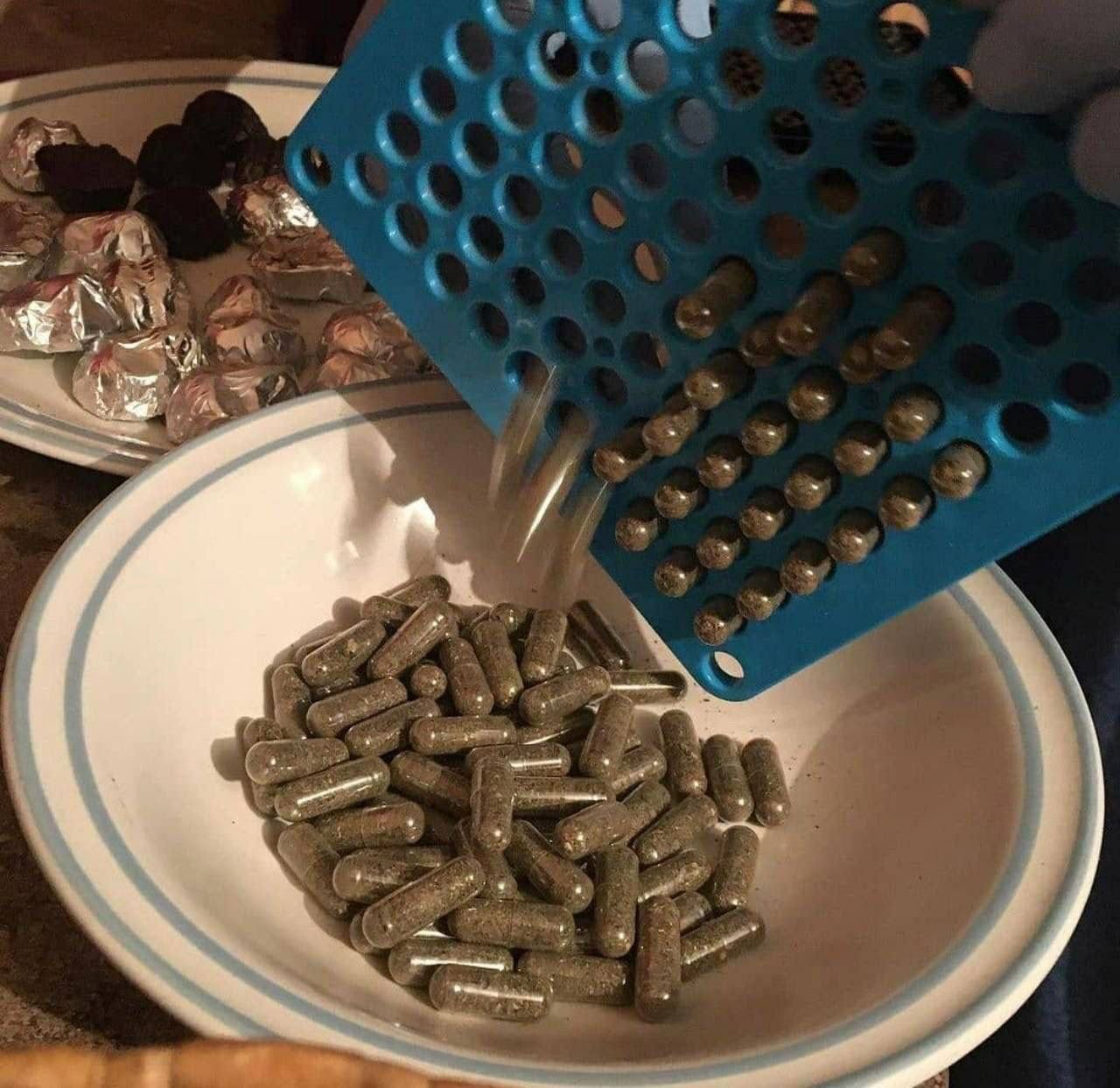
Ibogaine Treatment Texas: Understanding Iboga, Ibogaine, and Addiction Recovery
Ibogaine treatment Texas is a topic receiving growing attention among people researching alternative approaches to addiction and recovery. Ibogaine is a naturally occurring psychoactive alkaloid found in the iboga plant, Tabernanthe iboga, and researchers have investigated its potential effects on substance-use disorders, particularly opioid dependence. At the same time, ibogaine presents significant medical risks and remains an investigational treatment rather than an established standard of care in the United States.
For Texans researching iboga or ibogaine, understanding the science, potential benefits, legal considerations, safety concerns, and role of professional support is essential. This guide explains these subjects in detail so readers can approach the topic with realistic expectations and better-informed questions for qualified healthcare professionals.
What Is Iboga?
Iboga is a shrub native to Central Africa. Its root bark contains several naturally occurring alkaloids, including ibogaine.
The plant has longstanding cultural and ceremonial importance in parts of Central Africa. In modern wellness and addiction discussions, however, iboga is often discussed because of the psychoactive compounds it contains.
Iboga should not automatically be considered the same as purified ibogaine. Whole-plant preparations contain multiple alkaloids, while purified ibogaine focuses on one particular compound.
That difference matters because chemical composition can influence pharmacological effects, potency, interactions, and safety.
What Is Ibogaine?
Ibogaine is an indole alkaloid derived from Tabernanthe iboga. Researchers have studied its activity across several neurological systems.
One important feature is its metabolism into noribogaine, an active metabolite that remains in the body after ibogaine itself has been processed.
Scientists believe ibogaine’s complex pharmacology may help explain why researchers have investigated it for substance-use disorders. Studies have examined interactions involving opioid, serotonin, dopamine, glutamate, and nicotinic acetylcholine systems.
However, the scientific picture remains incomplete. Current reviews emphasize that human evidence remains limited and that larger controlled studies are necessary.
Why Is Ibogaine Being Studied for Addiction?
Addiction can involve multiple biological and psychological mechanisms. Conventional treatments may target specific aspects of substance-use disorders, while ibogaine has attracted attention because it affects several neurological pathways.
Research has particularly focused on opioid dependence.
Some observational studies have reported reductions in withdrawal symptoms and cravings after ibogaine exposure. Researchers have also investigated whether ibogaine could influence patterns of substance use after treatment.
However, evidence quality varies considerably. A recent scoping review concluded that clinical evidence for opioid-use disorder remains limited and heterogeneous, with much of the available human evidence coming from observational studies, retrospective analyses, and case reports.
Therefore, ibogaine should be described as an investigational approach, not a guaranteed cure for addiction.
How Might Ibogaine Affect the Brain?
Ibogaine has a complicated pharmacological profile.
Research suggests that ibogaine and noribogaine interact with several neurotransmitter systems rather than acting through only one pathway. These interactions may help explain why researchers are interested in ibogaine’s possible effects on craving, withdrawal, reward processing, and addictive behavior.
The concept sometimes described as a neurological “reset” remains a hypothesis rather than an established clinical fact.
This distinction is important. A scientific hypothesis can guide research, but it should not be turned into a promise that a person’s brain will be permanently “reset” after treatment.
Researchers continue investigating precisely how ibogaine’s multiple mechanisms might contribute to its reported effects.
Ibogaine and Opioid Dependence
Opioid dependence represents one of the primary areas of ibogaine research.
Some early studies and observational reports have described reductions in opioid withdrawal symptoms and cravings following ibogaine administration. More recent reviews continue to identify ibogaine as an interesting research candidate for opioid-use disorder.
Nevertheless, established treatments such as buprenorphine and methadone have much stronger clinical evidence and remain important options for opioid-use disorder.
A person should never stop prescribed opioid-treatment medication simply because they are considering ibogaine. Medication changes should be discussed with an appropriately qualified healthcare professional.
What About Opioids Remaining in the Body?
Understanding how opioids remain in the body can also help people understand why addiction treatment requires careful planning.
Different opioids have different pharmacokinetic profiles. The amount of time a substance remains detectable or pharmacologically active depends on factors such as:
- The specific opioid involved
- Amount and frequency of use
- Route of administration
- Liver and kidney function
- Age and overall health
- Other medications or substances
- Individual metabolism
- The type of drug test being used
Importantly, the time an opioid remains detectable is not necessarily the same as the duration of withdrawal or addiction-related cravings.
This distinction matters when considering ibogaine or any other treatment approach. A person may have little or no detectable opioid remaining while still experiencing significant withdrawal, psychological distress, or relapse risk.
Can Ibogaine Eliminate Addiction?
Ibogaine should be marketed as a guaranteed cure.
Addiction involves biological, psychological, behavioral, and social factors. Even when an intervention reduces withdrawal or craving, long-term recovery generally requires continuing support.
Recovery can involve:
- Addiction counseling
- Behavioral therapy
- Medical care
- Peer-support programs
- Mental-health support
- Family involvement
- Relapse-prevention planning
- Healthy lifestyle changes
- Stable housing and social support
Ibogaine research may eventually contribute to new treatment models, but current evidence does not justify promising permanent recovery to every person.
The Most Important Safety Issue: The Heart
Anyone researching ibogaine treatment Texas should understand cardiovascular safety before considering ibogaine.
Ibogaine can prolong the heart’s QT interval. Significant QT prolongation can increase the risk of dangerous ventricular arrhythmias, including torsades de pointes.
A 2026 review describes QTc prolongation and potentially fatal ventricular arrhythmias as clinically significant risks associated with ibogaine. Importantly, reported complications have occurred even in people without previously recognized heart disease.
Another observational study of ibogaine administration in people with opioid dependence found clinically relevant QTc prolongation and bradycardia, reinforcing why cardiovascular monitoring is important.
This is why ibogaine should not be treated like an ordinary herbal supplement.
Why Medical Screening Matters
Before ibogaine exposure, appropriate medical screening can help identify factors that could increase risk.
A healthcare professional may consider:
- Cardiovascular history
- Previous fainting or unexplained seizures
- Current medications
- Electrolyte abnormalities
- Liver and kidney function
- Psychiatric history
- Other substances being used
- Potential drug interactions
An ECG may also be appropriate when a clinician evaluates cardiovascular risk.
Medication interactions deserve particular attention because some medications can independently affect cardiac rhythm or interact with metabolic pathways involved in ibogaine processing.
People should provide healthcare professionals with a complete and honest list of everything they take.
Why Unsupervised Ibogaine Use Can Be Dangerous
Online testimonials can make ibogaine appear simpler than it actually is.
However, published evidence has documented cardiac, neurological, gastrointestinal, and psychiatric adverse effects. A systematic review identified QTc prolongation as one of the most frequently reported acute adverse events and emphasized the need for standardized products and improved screening procedures.
Some individuals have also experienced severe ataxia, meaning significant difficulty coordinating movement and walking.
These risks demonstrate why self-treatment based on internet instructions is inappropriate.
Ibogaine Treatment and Texas Law
Legal considerations are particularly important for anyone searching for ibogaine treatment Texas.
Texas’s Controlled Substances Act specifically lists ibogaine and Tabernanthe iboga among substances in its controlled-substances schedule.
Therefore, Texans should not assume that an online listing, international website, or treatment advertisement means that obtaining, possessing, supplying, or using ibogaine is lawful in Texas.
Regulations can change, and specific legal questions can depend on the circumstances. Anyone considering ibogaine should obtain current information from appropriate Texas or federal authorities and qualified legal professionals.
What Makes a Responsible Ibogaine Program Different?
A responsible approach should place safety above sales.
When researching an organization, consider whether it:
- Clearly explains risks and limitations.
- Encourages medical assessment.
- Discusses medication interactions.
- Provides transparent information.
- Avoids guaranteed-cure claims.
- Explains legal considerations.
- Has appropriate emergency procedures where applicable.
- Provides continuing support or appropriate referrals.
Be cautious of anyone claiming that ibogaine is completely safe or that professional medical assessment is unnecessary.
Iboga and Ibogaine Are Not Identical
Another important point involves the difference between iboga and ibogaine.
Iboga refers to the plant and plant-derived preparations.
Ibogaine refers to a particular alkaloid found in iboga.
Because iboga contains multiple alkaloids, whole-plant preparations and purified ibogaine cannot automatically be treated as equivalent.
This distinction should be considered when reading online product descriptions, scientific literature, or treatment claims.
Can Ibogaine Be Part of a Broader Recovery Strategy?
Researchers are investigating whether ibogaine could eventually have a role within comprehensive addiction treatment.
If future evidence confirms meaningful benefits, ibogaine could potentially be studied as one component of a larger treatment pathway rather than a standalone solution.
For now, people should view it through the lens of research and risk management.
Long-term recovery remains multifaceted. Aftercare, behavioral support, treatment for co-occurring mental-health conditions, and relapse-prevention planning may all contribute to better outcomes.
Why Education Comes Before Treatment
The phrase ibogaine treatment Texas can lead people to websites promising rapid transformation. A better starting point is education.
Before making a decision, ask:
- What does the scientific evidence actually show?
- What are the known cardiovascular risks?
- Could my medications interact with ibogaine?
- What medical screening would I need?
- What are the current Texas legal requirements?
- What emergency support is available?
- What continuing recovery support will I receive?
- What claims are supported by evidence rather than testimonials?
These questions can help people distinguish responsible information from aggressive marketing.
Exploring Iboga and Ibogaine With Ibogastoreonline.com
Ibogastoreonline.com provides information and products related to iboga and ibogaine. If you are researching these substances, take time to understand the differences between plant-based iboga preparations and ibogaine, as well as the relevant safety and legal considerations.
For customers considering products offered through IBOGASTOREONLINE.COM, a first-purchase promotion may be available using coupon code RECOVERY20.
Because ibogaine is associated with significant health risks and legal restrictions, customers should verify applicable laws and seek appropriate professional advice before obtaining or using any ibogaine-related product.
Frequently Asked Questions
What is ibogaine treatment?
Ibogaine treatment refers to the investigational use of ibogaine in the context of substance-use disorders and recovery. It is not an established FDA-approved addiction treatment in the United States.
Is ibogaine legal in Texas?
Texas law lists ibogaine and Tabernanthe iboga within its controlled-substances schedule. Anyone considering obtaining or using it should verify current legal requirements.
Does ibogaine help opioid addiction?
Preliminary research suggests possible effects on withdrawal and craving, but evidence remains limited and researchers continue to study its effectiveness and safety.
Is ibogaine safe for everyone?
No. Ibogaine can cause serious cardiovascular complications, including QTc prolongation and potentially dangerous arrhythmias.
Is iboga the same as ibogaine?
No. Iboga is the plant and its preparations, while ibogaine is one particular alkaloid found in the plant.
Final Thoughts
Ibogaine treatment Texas remains an important topic for people searching for new approaches to addiction recovery, but responsible education must accompany that interest.
Iboga and ibogaine have attracted scientific attention because of their complex effects on the brain and their potential relationship with substance-use disorders. Research involving opioid dependence has produced interesting preliminary findings, yet the evidence remains limited.
At the same time, ibogaine’s cardiovascular risks cannot be ignored. QTc prolongation and potentially life-threatening arrhythmias have been documented, making appropriate medical screening and professional oversight essential.
For Texans, legal considerations are equally important because Texas law specifically lists ibogaine in its controlled-substances schedule.
The most responsible approach is therefore to learn first, verify the law, discuss individual health circumstances with qualified professionals, and maintain realistic expectations about what ibogaine can and cannot do.
Take the Next Step
Interested in learning more about iboga and ibogaine? Contact IBOGASTOREONLINE.COM at +237 653 823 790 for additional information about available products and resources. Eligible first purchases can use coupon code RECOVERY20.
Your recovery journey deserves informed decisions, appropriate professional guidance, and a strong focus on safety. Start now